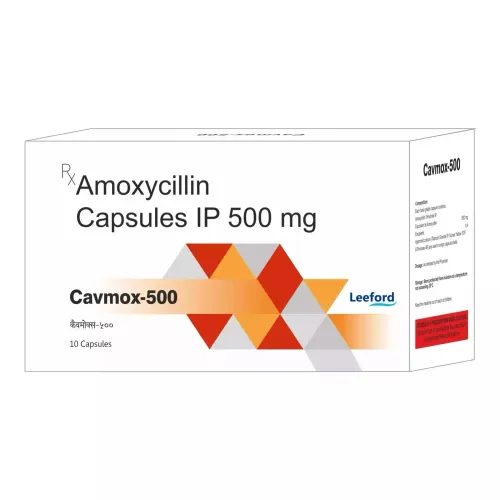
Premium Quality Cavmox-500 Amoxycillin Capsules Exported from India Looking for a trusted supplier of Cavmox-500 Amoxycillin Capsules from India? Medswala Pharmacy India offers reliable pharmaceutical supply solutions with secure packaging and fast international shipping to authorized buyers worldwide. We specialize in supplying genuine medicines sourced from reputable manufacturers while maintaining high standards of quality and customer service. 🚚✈️ Cavmox-500 Amoxycillin Capsules are manufactured according to stringent pharmaceutical guidelines and supplied with proper quality assurance measures. Our experienced export team ensures efficient processing, secure handling, and timely dispatch for international orders. 🌎 Worldwide Pharmaceutical Supply Network We proudly provide medicine delivery services across major global destinations, including: 🇺🇸 United States New York, Los Angeles, Chicago, Houston, Dallas, Austin, Miami, Seattle, Boston, San Diego, Phoenix, Philadelphia, Charlotte, Denver, Washington DC and surrounding cities. 🇬🇧 United Kingdom London, Manchester, Birmingham, Liverpool, Leeds, Bristol, Nottingham, Sheffield, Leicester, Coventry, Southampton, Glasgow, Edinburgh and Belfast. 🇦🇺 Australia Sydney, Melbourne, Brisbane, Perth, Adelaide, Canberra, Gold Coast, Newcastle, Hobart and Darwin. 🇨🇦 Canada Toronto, Vancouver, Montreal, Calgary, Ottawa, Edmonton, Winnipeg, Quebec City and Hamilton. 🇳🇿 New Zealand Auckland, Wellington, Christchurch, Hamilton, Tauranga and Dunedin. 🇯🇵 Japan Tokyo, Osaka, Kyoto, Yokohama, Kobe, Nagoya, Hiroshima, Fukuoka and Sapporo. 🇰🇷 South Korea Seoul, Busan, Incheon, Daegu, Daejeon, Ulsan and Gwangju. 🇸🇬 Singapore | 🇦🇪 UAE | 🇩🇪 Germany | 🇫🇷 France Fast delivery services available to major cities and healthcare procurement partners. Why Choose Medswala Pharmacy? ✅ ✔ Genuine pharmaceutical products from trusted manufacturers ✔ Secure international packaging and shipment handling ✔ Fast order processing and dispatch services ✔ Competitive pricing for bulk and wholesale purchases ✔ Professional export support and documentation assistance ✔ Dedicated customer service team ✔ Reliable global logistics network ✔ Trusted pharmaceutical exporter from India 📦 Bulk Supply & International Export Services Medswala Pharmacy supports pharmaceutical distributors, healthcare organizations, wholesalers, clinics, hospitals, procurement agencies, and licensed importers worldwide. Whether you require regular supplies or bulk commercial shipments, we offer customized export solutions to suit your requirements. Our global distribution network helps ensure smooth deliveries across North America, Europe, Asia-Pacific, Africa, Latin America, and the Middle East. 🌐 🌟 India's Trusted Pharmaceutical Export Partner India is one of the world's leading pharmaceutical manufacturing hubs, known for producing high-quality medicines that serve international markets. Medswala Pharmacy proudly connects global buyers with trusted pharmaceutical products while maintaining strict quality standards and dependable service. Our commitment to authenticity, customer satisfaction, and efficient logistics has helped us build strong relationships with healthcare partners worldwide. 📞 Order Cavmox-500 Amoxycillin Capsules Today Purchase Cavmox-500 Amoxycillin Capsules from India through Medswala Pharmacy and benefit from reliable medicine supply, professional export assistance, secure packaging, and fast global delivery services. We proudly serve customers across the USA, UK, Australia, Canada, New Zealand, Japan, South Korea, Singapore, UAE, Germany, France, and many other international markets. Medswala Pharmacy India – Delivering Trusted Pharmaceutical Solutions Worldwide with Quality, Reliability & Care. 💊🚚✨ Contact & Business Details 📱 WhatsApp: +91-9359256675 (🔥 Best Offer – Order on WhatsApp & Save More! 🔥) 💬 WhatsApp Link : https://wa.me/+919359256675 📧 Email: sales@medswalapharmacy.com 🌐 Website: https://www.indiamedicineexporter.com/

Nagpur
+919359256675
+919359256675
 Chat with us
 Chat with us